
“CircuClarity Two” at glasstec 2026
glasstec, the leading international trade fair for the glass sector, is also highlighting the important topic of the circular economy on an international scale: ‘Close the Glass Loop’ is a European action platform that aims to strengthen the closed-loop material cycle for container glass. Across Europe, the aim is to increase the collection rate for glass packaging to 90 % by 2030 and to improve the quality of the collected waste glass. The initiative brings together the entire value chain – glass manufacturers, bottlers, recyclers, local authorities, EPR schemes and industry associations – and develops joint guidelines, best-practice examples and national action plans. In an interview with Jean-Paul Judson, who coordinates the platform on behalf of the European partners through his agency nowmore.eu, glasstec learnt how the initiative is progressing.
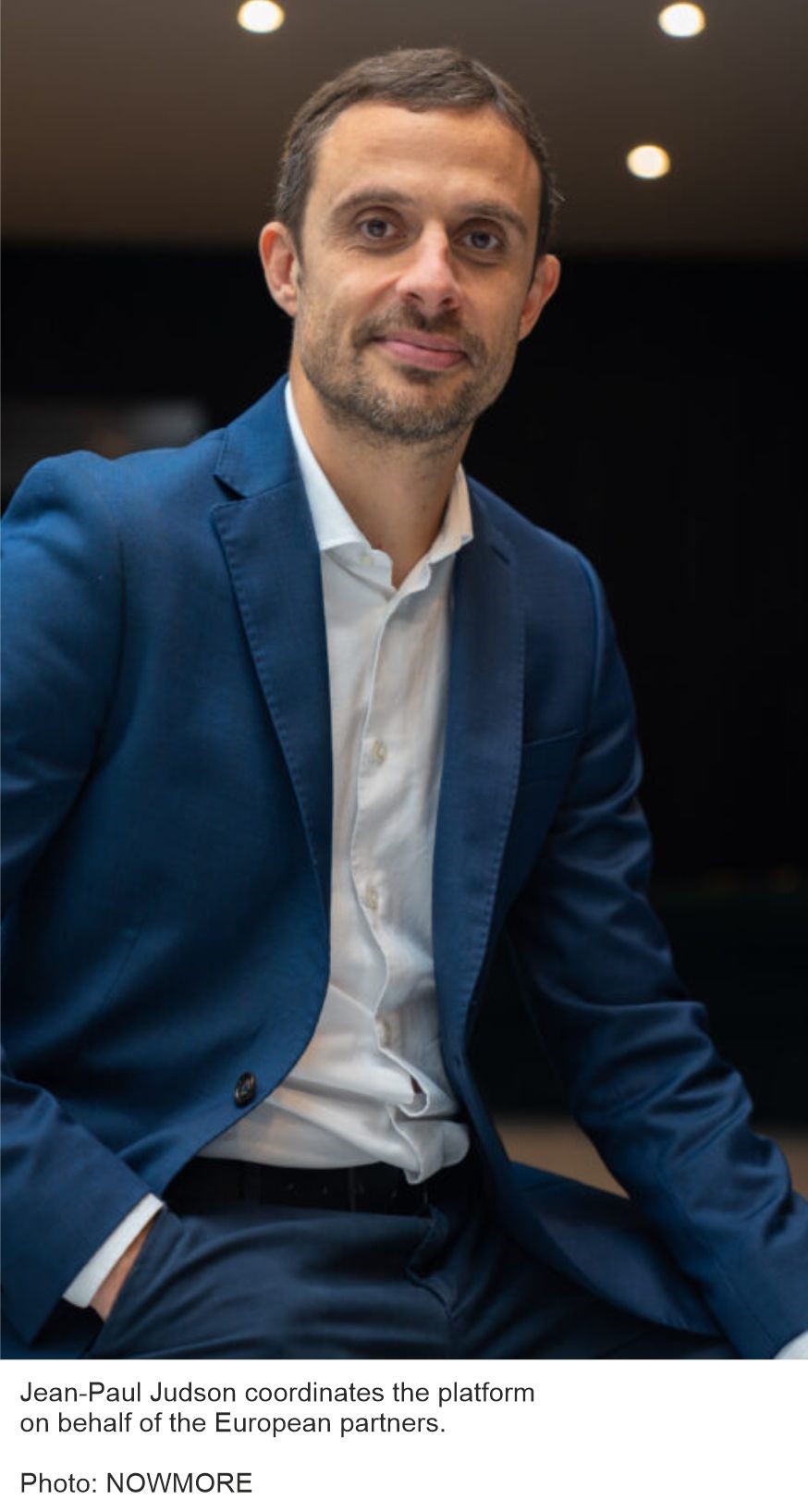
glasstec – What was the specific catalyst for the launch of ‘Close the Glass Loop’, and what problem was the initiative intended to solve that individual companies or associations could not tackle on their own?
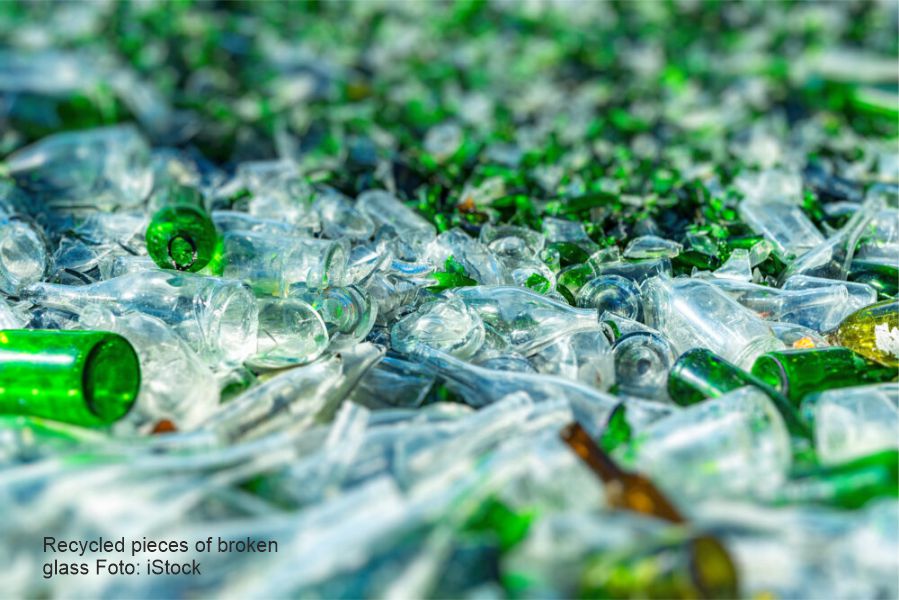
Jean-Paul Judson – Strictly speaking, brands and bottlers are ultimately responsible for the glass packaging they bring to market. But for the circular economy to work, all stakeholders along the value chain must play their part – this applies in particular to glass, as it is a durable material that can be recycled endlessly within a packaging cycle. In addition, recycled glass – or cullet – is a strategic raw material for the glass industry, as it is the predominant raw material used in production. As the majority of glass packaging originates from households, access to cullet depends largely on local authority collection schemes. ‘Close the Glass Loop’ was launched to create a genuine partnership along the value chain, focused on a common goal: increasing both the quantity and quality of glass collected for recycling across Europe. Not only to comply with legal requirements, but to drive forward the circular economy for glass packaging.
glasstec – “Close the Glass Loop” aims for a collection rate of 90% for waste glass by 2030. Where does Europe stand today on this journey, and how do you assess the progress made so far?
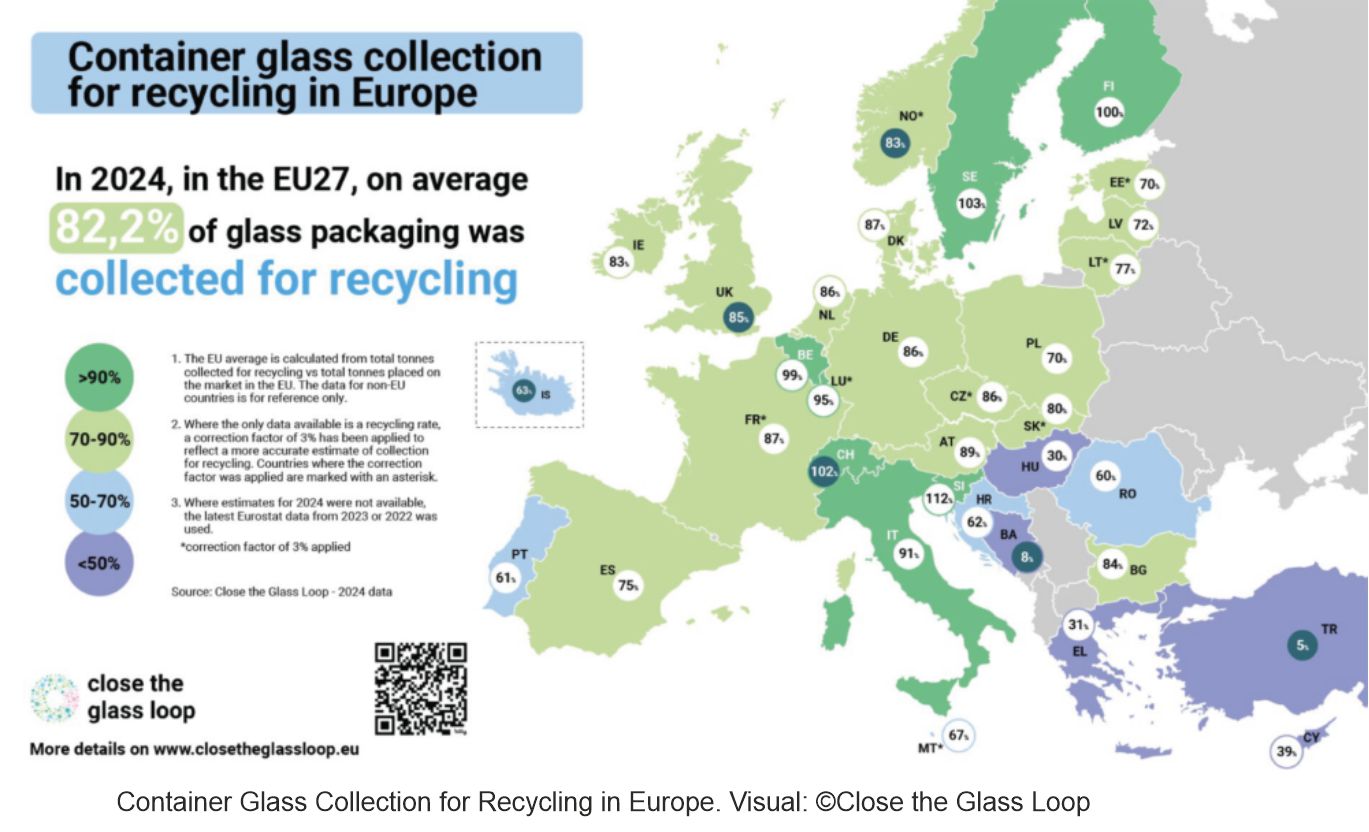
Jean-Paul Judson – The latest figures show that in 2024, 82.2 % of glass packaging in Europe was collected for recycling – the highest figure to date (“Performance of Packaging Glass Recycling in Europe” report, page 42). This means that we have made steady progress since the launch of ‘Close the Glass Loop’ in 2020. We are moving in the right direction, but achieving 90 % by 2030 remains an ambitious target. Although some EU Member States are lagging behind, the basic infrastructure for collection is largely in place across Europe. The next step requires ongoing communication with the public, closer cooperation with local authorities to ensure the cost-effectiveness of collection schemes, and further investment in sorting capacity and technology.
glasstec – Germany already has a highly efficient collection and recycling system for container glass. Where do you see room for improvement in this country?
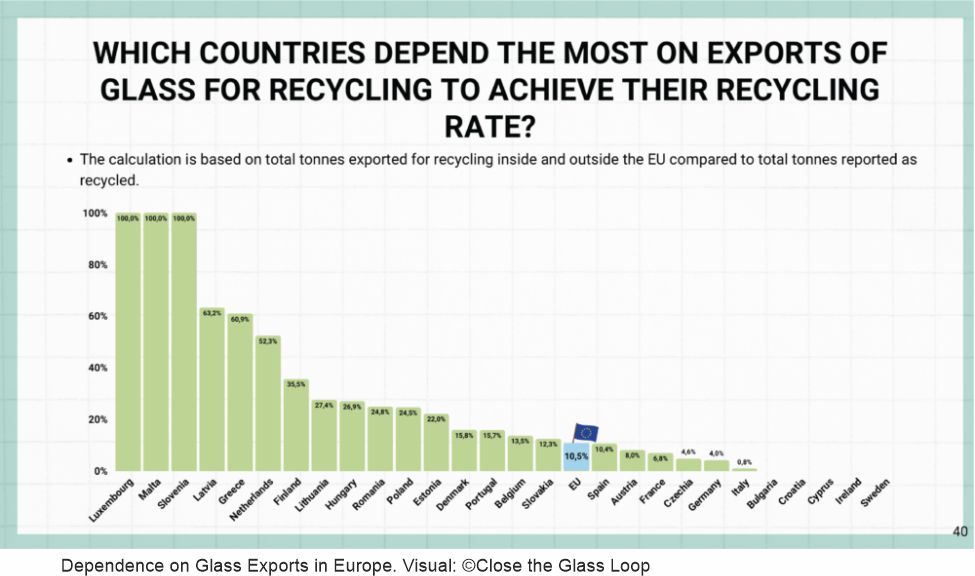
Jean-Paul Judson – Germany remains one of Europe’s leading countries in glass collection and recycling, and has a particularly sophisticated recycling system featuring three-colour sorting at source. Apart from Germany, only Ireland and the Netherlands have implemented this system so far. Nevertheless, collection rates have largely stabilised in recent years, which is why it is important to invest in raising public awareness and providing information, for example through initiatives such as ‘Waste separation works!’. On the other hand, we note that the EU internal market for waste glass is becoming increasingly important. Countries can no longer rely solely on domestic production to find markets for recycled glass. In 2023, exports of recycled glass within the EU accounted for almost 10 % of total recycled glass, compared with 7 % in 2018 (Packaging Glass Recycling – a new study based on results reported by EU Member States to Eurostat – Close The Glass Loop, page 38). We therefore assume that meeting the demand for a closed-loop recycling system will increasingly depend on the single market in future. Whilst Germany relies largely on domestic production, 4 % of its recycled glass was exported to other EU Member States in 2023. I believe this could be taken into account even more in future.
glasstec – A closed-loop glass cycle also depends on the quality of the waste glass. What challenges are currently causing the greatest problems for the glass industry, and how can they be resolved?
Jean-Paul Judson – Quality is becoming just as important as quantity. Glass can be recycled indefinitely, but only if the collected material is sufficiently clean and free from contaminants. Materials such as ceramics, stones, porcelain, metals or certain packaging items that are not made of glass can cause significant problems during recycling and the melting process. They increase costs, reduce yield and can even damage plant or impair the quality of new containers. The solution therefore lies in raising consumer awareness further, improving sorting technologies and fostering closer cooperation throughout the entire value chain. Every tonne of collected glass is valuable, but every tonne of high-quality glass is even more valuable.
glasstec – What environmental and economic benefits would the glass industry achieve if Europe were to reach the target of 90 % waste glass collection?
Jean-Paul Judson – Achieving a 90 % collection rate would bring benefits to the entire value chain. From an environmental perspective, this would reduce the amount of glass lost in residual waste, lower CO₂ emissions, reduce energy consumption and decrease the demand for primary raw materials such as sand, soda and limestone. Economically, this would strengthen Europe’s self-sufficiency in secondary raw materials. At a time when competitiveness and security of supply are becoming increasingly important, high-quality recycled glass represents a strategic advantage for the European glass packaging value chain.
glasstec – What political or regulatory frameworks are crucial for the further development of the closed-loop glass cycle across Europe?
Jean-Paul Judson – What is needed is a stable framework that rewards separate collection and high-quality recycling. The countries with the best results generally have decades of investment behind them and policies in place for the separate collection of glass packaging. Despite all the discussion surrounding the implementation of the Packaging Ordinance, there is no fundamental change to the principles underpinning glass collection and recycling. However, it does draw greater attention to the way our societies handle packaging and thereby creates a sense of urgency to achieve results quickly and effectively. As every EU Member State must achieve a glass recycling rate of 75 % by 2030 (EU Packaging & Packaging Waste Regulation), we no longer have decades to achieve the results that some countries have only managed to build up over decades.
glasstec – Looking back over the last five years: which development has surprised you the most, both positively and negatively?
Jean-Paul Judson – On the positive side, I was impressed by how quickly stakeholders from very different parts of the value chain rallied behind the common goal. Local authorities, recycling companies, manufacturers and brands do not always share the same priorities, yet there was a remarkable willingness to collaborate. This also applies to the cooperation between our national platforms, as glass collection and recycling have historically been viewed in rather territorial terms, with little cross-border exchange.
The biggest surprise on the challenging side was how quickly the debate on deposit-refund schemes has spread across Europe. Although these schemes are primarily designed for PET bottles and cans, glass is often included in this discussion. Whilst functioning schemes for glass packaging already exist, some countries face the decision of whether or not to include glass, which can increase complexity and raise new questions about how different collection schemes can coexist whilst maintaining a high recycling rate.
glasstec – What energy and CO₂ savings could Europe expect with a 90 % recycling rate for waste glass?
Jean-Paul Judson – The savings depend on the furnace technology used and the composition of the batch, but the trend is very clear: any increase in the use of recycled glass reduces energy requirements and lowers CO₂ emissions, as cullet melts at a lower temperature than virgin raw materials. If the glass industry continues to invest in electrification, the role of recycled glass in the overall decarbonisation of the production process will become even greater. Increasing the availability of high-quality cullet is therefore one of the most effective tools at the glass industry’s disposal for promoting both decarbonisation and the circular economy. Collection and recycling remain strategic priorities for the industry and the value chain.
From 20 to 23 October 2026, glasstec 2026 in Düsseldorf will once again be the leading trade fair setting the agenda for discussions on forward-looking topics in the glass industry – including the circular economy in the hollow glass industry.

Marc Everling studied media education (Technical University Brunswick) and has been a communications and marketing specialist in the glass industry for more than 20 years. In 2021 he founded his networking agency specialising in communications consulting and press liaison for companies and associations that work and produce sustainably in the interests of the ecological transformation of the construction sector
Source: www.glasstec-online.com