Kunal Enterprise Strengthens Indian Glass Processing With CUGHER’s Proven Screen-Printing Technologies
Through its partnership with CUGHER, Kunal Enterprise delivers advanced screenprinting solutions that support high-performance automotive and appliance glass production across India.
In addition to printing systems, CUGHER provides advanced glass drying and handling solutions such as IR and UV dryers. Its machines are trusted worldwide across the automotive, architectural and home appliances industries. The company’s prestigious global customer base includes AGP, Asahi, Guardian, Carlex, Central Glass, KAC, PPG, Şişecam, SAIL Glass, and Saint-Gobain in France and Poland.
At Kunal Enterprise, these advanced technologies are brought to the Indian market under the visionary leadership of Mr. Ajay Gandhi (Chairman & Managing Director), Mr. Kunal Gandhi (Joint Managing Director) and technical & management support is led by Mr. Prakash Vachhani (Head – Tech & Management). The marketing and business expansion activities are led by Mr. Uday Chitre, Head of Business Development, who is responsible for strengthening market presence and developing strategic customer relationships. He is responsible for managing CUGHER’s portfolio in India and is actively involved in technical and commercial planning, as well as the execution of projects. With over three decades of experience in industrial printing and more than ten years with the organisation, he works closely with customers to ensure that CUGHER’s glass printing solutions are adapted effectively to Indian production requirements.
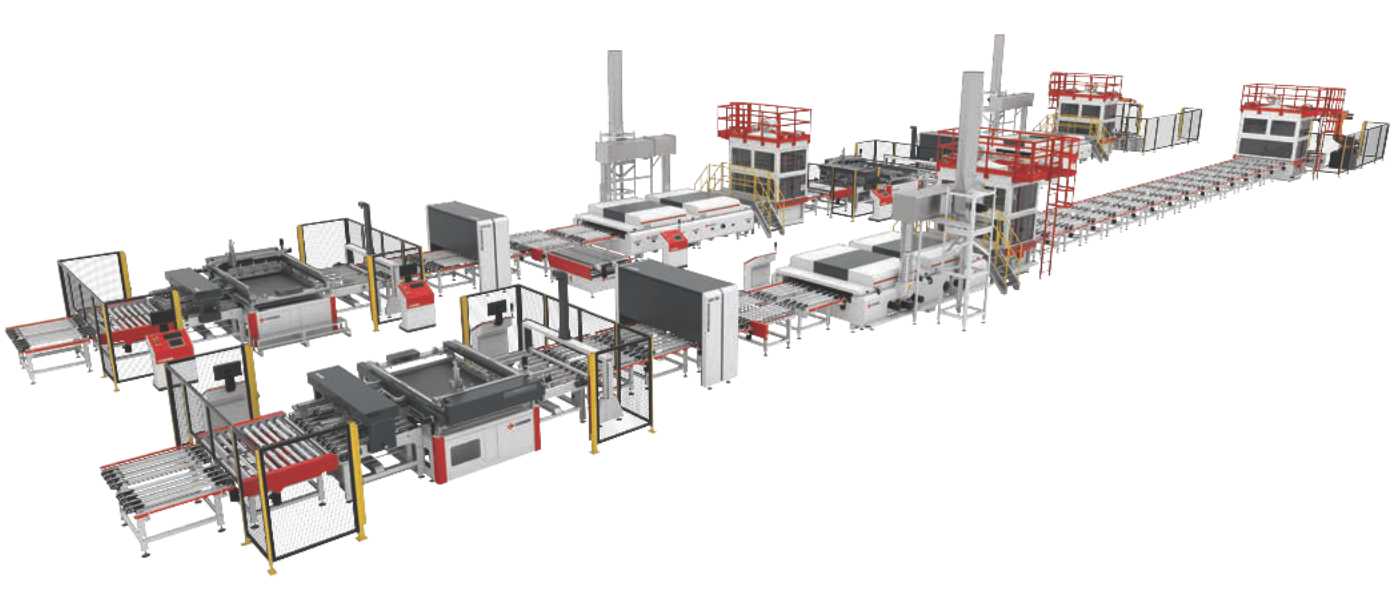
This close engagement with customers has given Kunal Enterpris deep insight into how glass printing requirements are evolving, particularly in high-demand sectors such as automotive glazing and home appliances. As a result, the company’s focus today extends well beyond equipment supply, addressing process reliability, compliance with OEM standards and long-term production performance.
Automotive windshield and backlite glass printing
Automotive glass printing has become a highly specialised and critical process. In windshield and backlite manufacturing, printing is no longer merely decorative. It plays a key role in safety, performance and durability, while also having to comply with stringent automotive OEM requirements.
Role of screen printing in automotive glass
Among all glass printing technologies, screen printing remains the most widely used method in automotive applications. Its continued dominance is driven by several key advantages:
- Controlled and uniform ink thickness
- Sharp and well-defined print edges
- Excellent repeatability at high production speeds
Screen printing is especially suitable for ceramic frit and conductive inks, which must withstand hightemperature bending and tempering processes without any compromise in performance.
Windshield glass printing
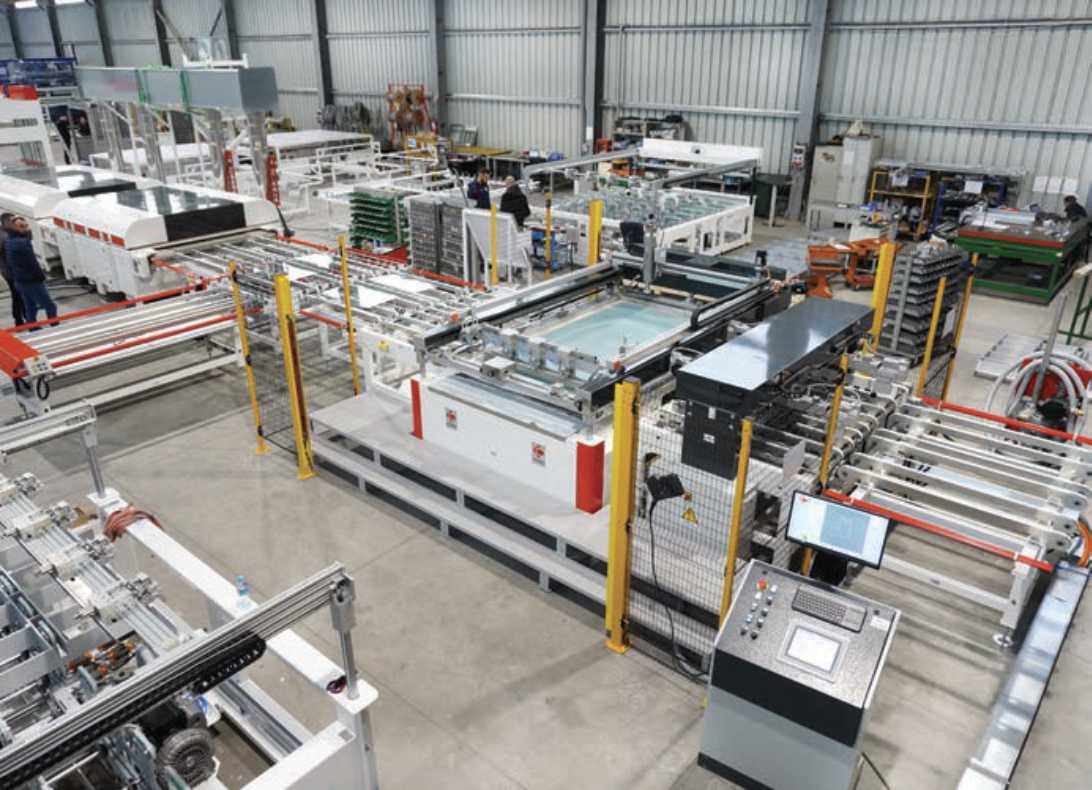
In windshield manufacturing, printing typically involves applying black ceramic frit (BCP) on flat glass prior to bending. This printed layer serves multiple critical functions:
- Protecting polyurethane adhesives from UV radiation
- Ensuring strong and consistent bonding
- Enhancing the overall visual appearance of the windshield
Automated glass handling systems and precisely controlled printing parameters are essential to achieving consistent quality in high-volume production environments.
Backlite (rear glass) printing
Backlite glass printing introduces additional functional complexity. Beyond ceramic borders, it often includes:
- Defogger grids
- Antenna patterns
- Conductive silver tracks
These functional prints must meet precise electrical resistance values while maintaining visual uniformity. Proven industrial screen-printing systems support OEM-compliant quality and reliability in backlite glass production.
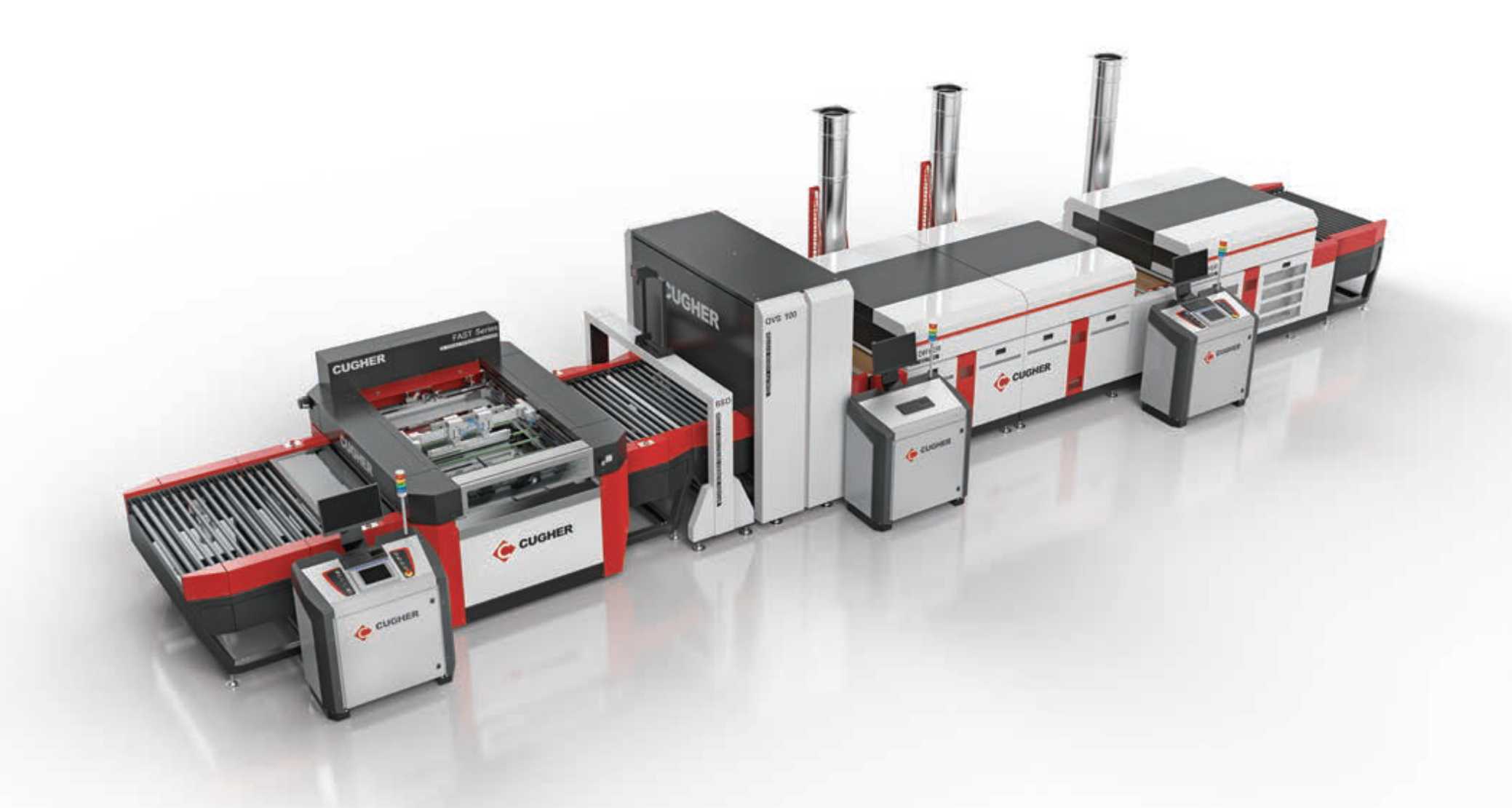
Home appliances glass printing using the screen printing process
Screen printing is also the preferred method for glass used in home appliances such as:
- Oven doors
- Refrigerator panels
- Microwave glass
- Washing machine lids
- Induction cooktops
In these applications, ceramic or enamel inks are printed through a fine mesh screen and then heattreated. This allows the ink to fuse permanently with the glass surface, resulting in prints that are highly resistant to heat, scratches, chemicals and daily wear.
Functional and aesthetic benefits
Screen printing enables both functional and aesthetic enhancements on appliance glass, including:
- Control markings and icons
- Logos, borders and decorative designs
- Improved safety through controlled light transmission and visibility
Because of its accuracy, consistency and long service life, screen printing continues to be the most trusted and widely adopted technology for glass printing in the home appliances industry.
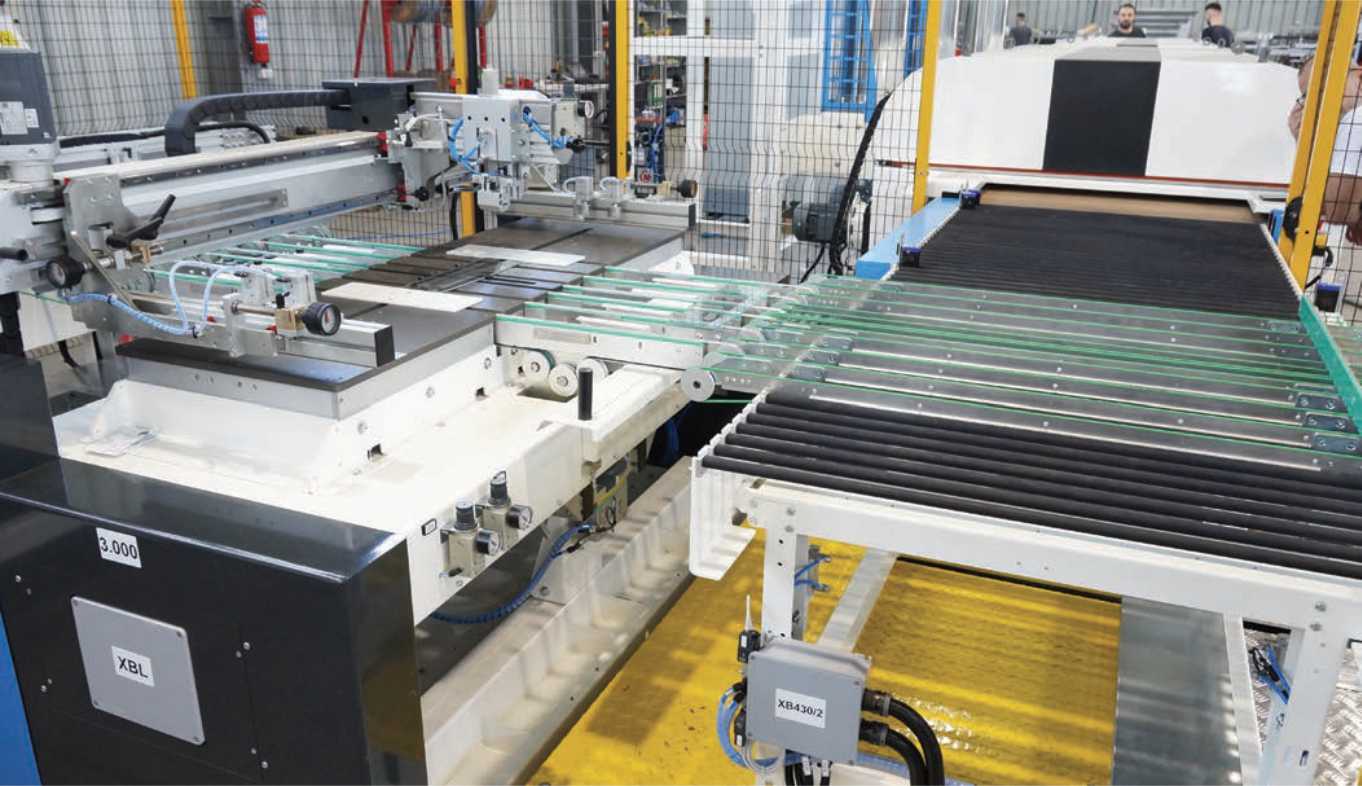
Industry outlook
Across both the automotive and home appliances sectors, CUGHER’s flat glass screen-printing technology remains a core glass processing solution. Supported by Kunal Enterprise’s technical expertise and on-ground execution, it delivers the functional performance, durability and visual quality required to meet today’s demanding industry standards.
Inputs by: Mr. Uday Chitre,
Head – Business Development (Printing Technologist),
Kunal Enterprise
Email: [email protected], [email protected], [email protected]
Website: www.kunalenterprise.com