In Interview With Glass Bulletin, Handong Chairman Zou Luohui Discusses Innovation, Energy Efficiency And Company’s Focus On India
With two decades of technological advancement, Handong continues expanding its global footprint through intelligent, energy-efficient and highperformance glass processing solutions.
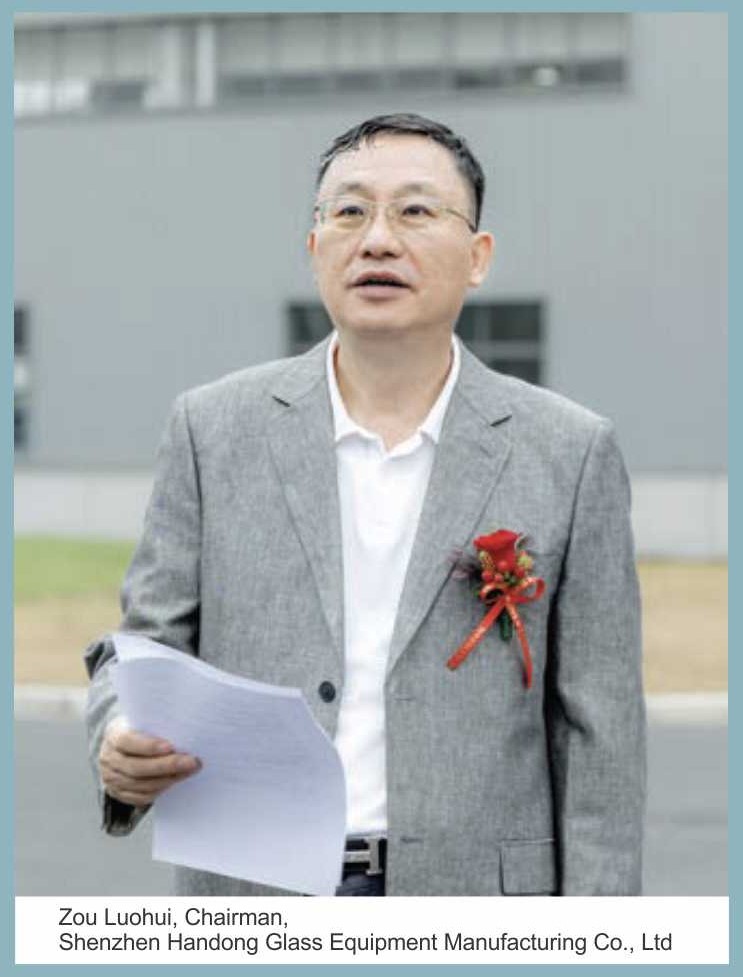
In this interaction with Glass Bulletin, Zou Luohui shares Handong’s growth journey, technological strengths, global strategy, and future plans for the Indian market. Excerpts:
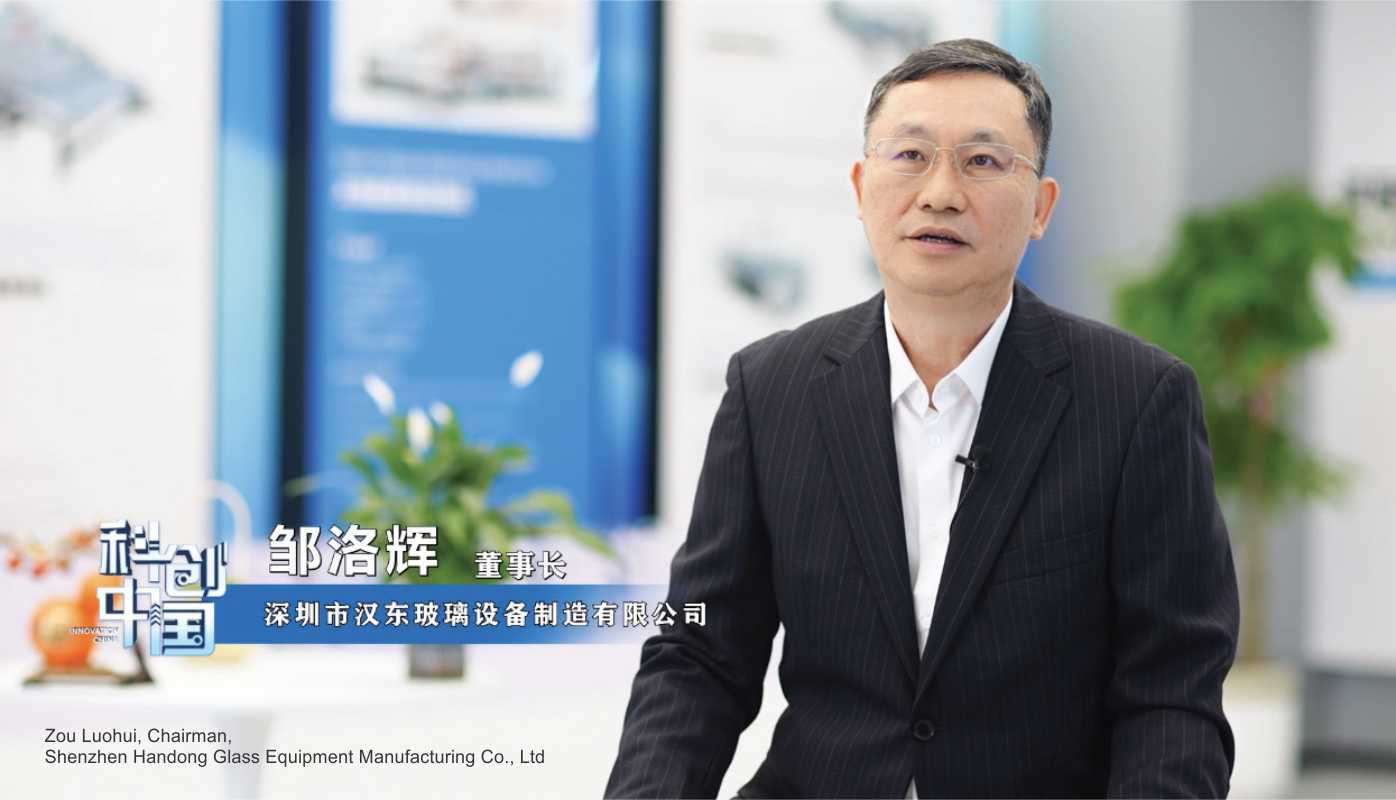
Q. Please share your journey and the vision behind building Handong into a globally recognized brand.
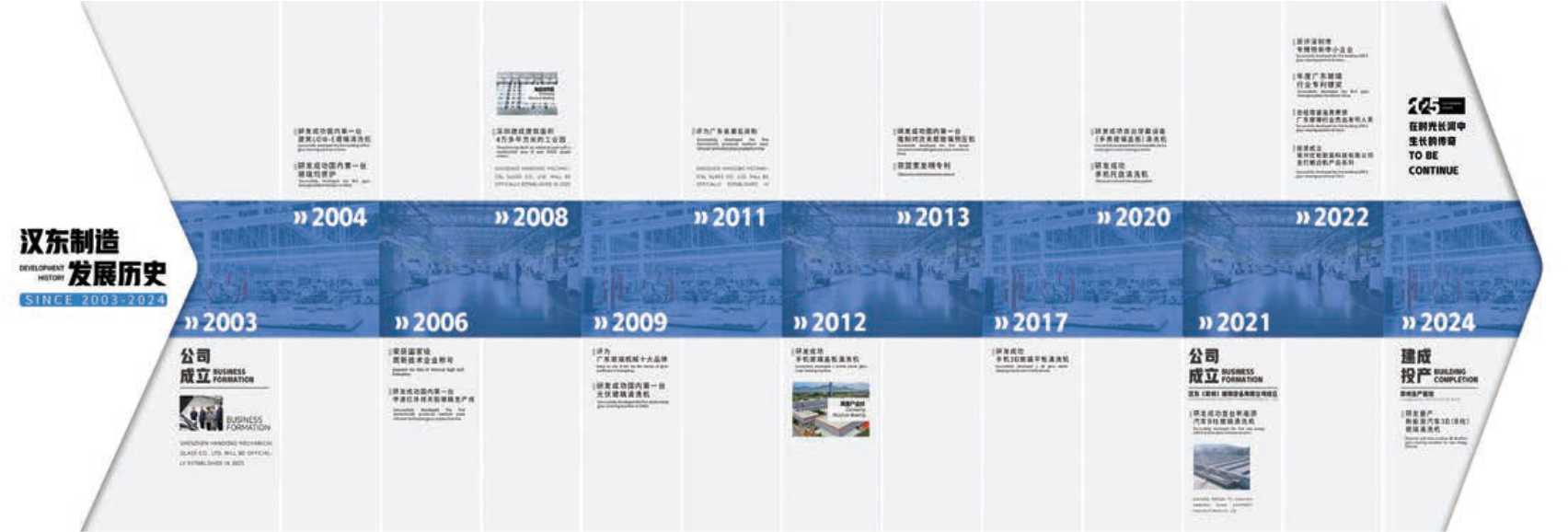
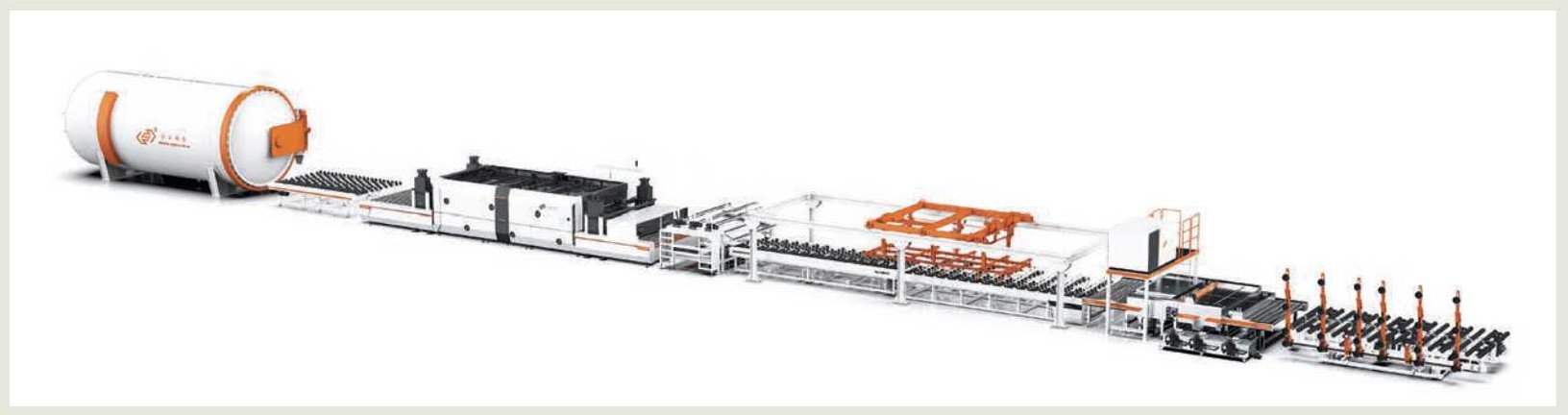
Handong was founded in 2003 with a strong focus on technological innovation and glass deep-processing equipment manufacturing. Over the years, the company has consistently introduced several industry-first technologies in China, including architectural LOW-E glass washing machines, photovoltaic glass washing machines, heat soak furnaces, and full forced-convection laminating glass production lines. Handong also expanded into specialized solutions for mobile phone glass, wearable device glass covers, and new-energy vehicle B-pillar glass processing.
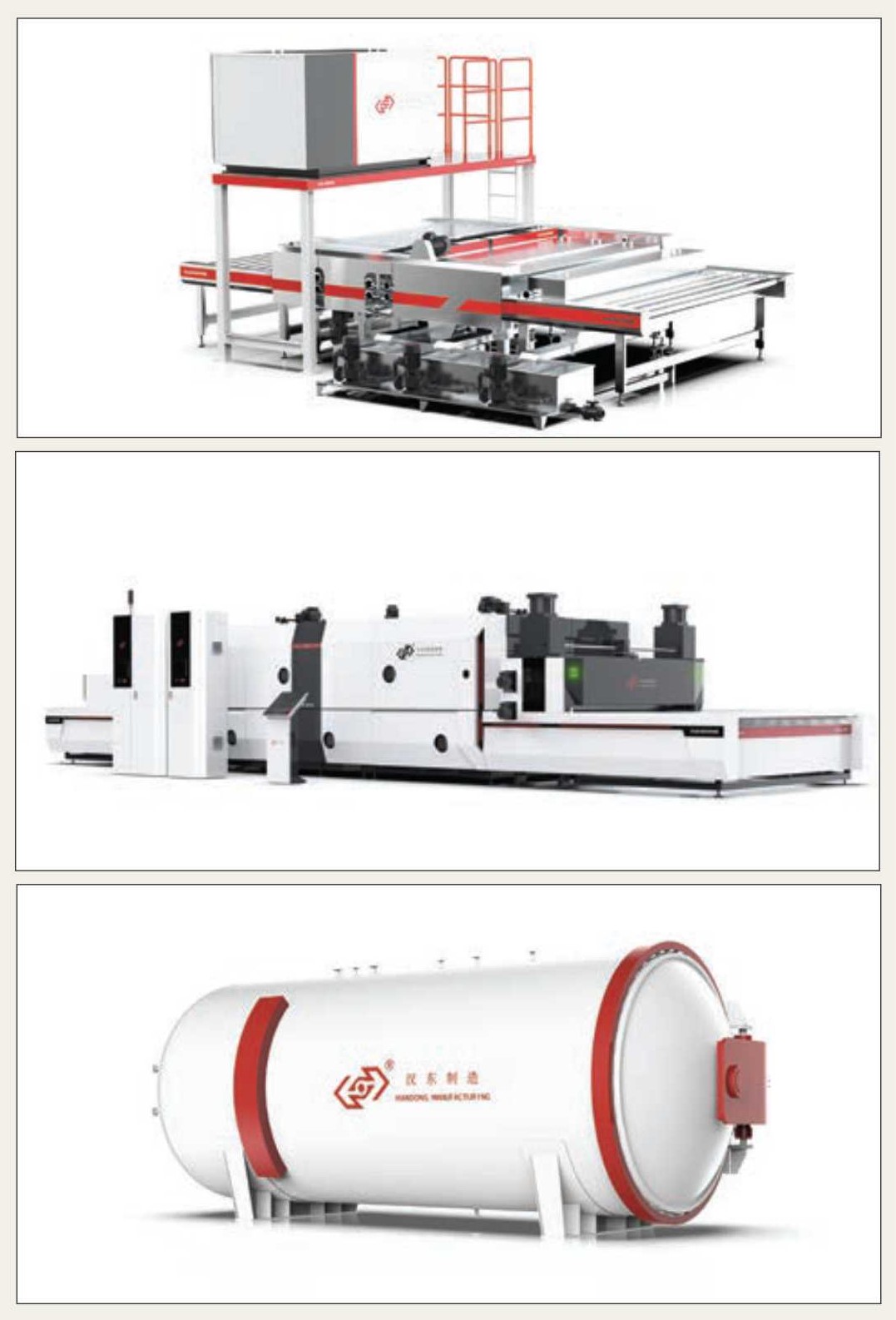
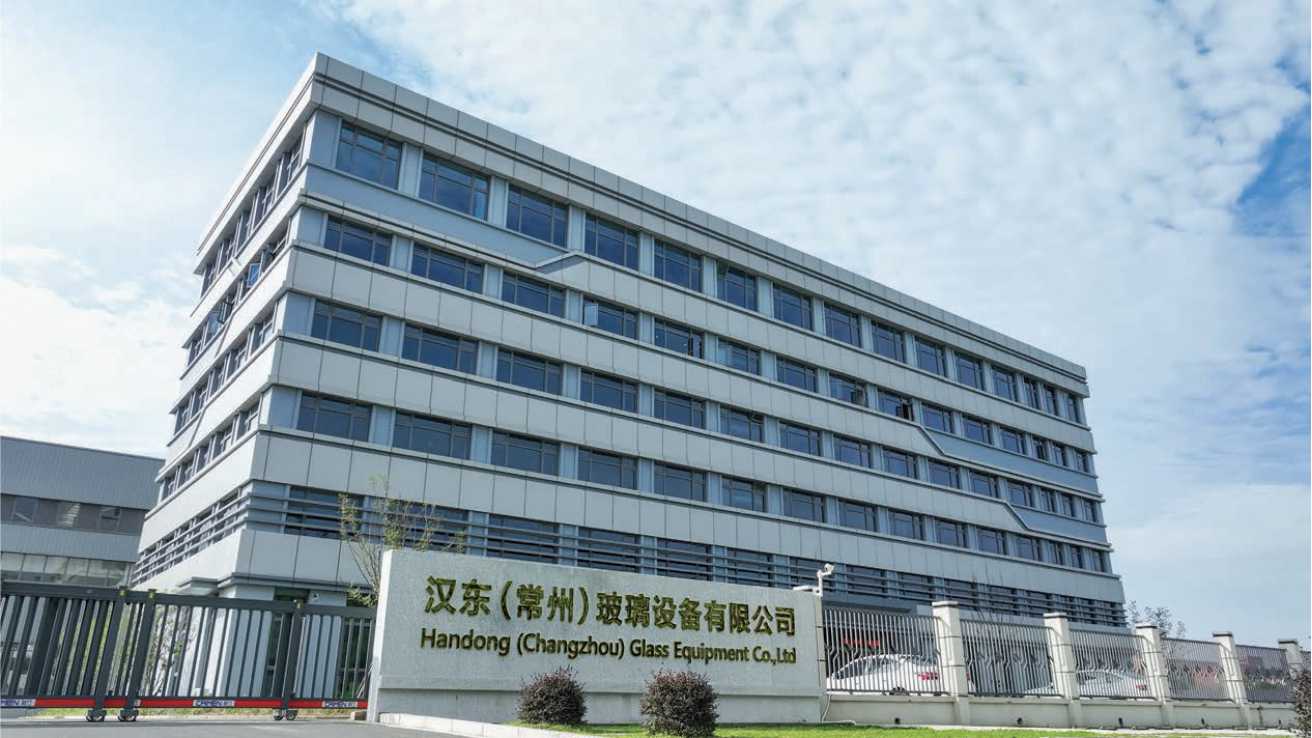
Alongside technological advancements, the company steadily expanded its manufacturing capabilities by establishing large-scale production facilities in Shenzhen and Changzhou. Today, Handong operates modern manufacturing bases with a professional team supporting global operations and exports. The company has also gained recognition through multiple industry awards and patents, while its photovoltaic glass edge-grinding machines have ranked among the industry’s leading solutions.
With more than two decades of development, Handong continues to focus on energy-efficient, high-performance, and intelligent glass processing equipment. The company’s vision is to become a global leader in glass deepprocessing equipment and make “Handong Manufacturing” synonymous with quality, technology, and service.
Q. How has Handong evolved over the years in terms of technology, scale and global presence?
Since its establishment, Handong has consistently prioritized technological research and innovation. The company developed China’s first coated glass washing machine in 2004, successfully launched a glass heat soak furnace in 2008, and pioneered the forced-convection laminated glass pre pressing furnace in 2010, helping maintain its technological leadership within the industry.
Today, Handong operates two manufacturing bases in Shenzhen and Changzhou, Jiangsu, supported by a professional workforce of more than 300 employees. With 20 years of global market development, the company has exported more than 500 laminated glass production lines worldwide.
Q. Handong is widely regarded as a leading brand in China for glass lamination lines and autoclaves.
What factors have contributed to this strong reputation? Handong’s core principle is to create value for customers by providing high-efficiency, energy-saving, and stable glass deep-processing equipment.
Q. How do Handong machines differentiate themselves from global competitors in terms of quality and innovation?
Handong focuses strongly on product quality assurance and technological innovation. Compared with international competitors, the company believes it has two major advantages.
The first is energy efficiency. For example, Handong’s glass heat soak furnace can reduce energy consumption by nearly 30 percent. The second is higher production efficiency. The company’s automatic PVB film laying and cutting technology is considered among the industry’s leading solutions.
Q. How do your machines ensure superior safety, efficiency, and productivity for glass processors?
Handong equipment delivers high production capacity for glass processors. For major Chinese glass processors such as CSG and Yaopi Glass, a single Handong laminated glass production line can produce more than 500,000 square metres of laminated glass annually. For full-size laminated glass production, one line can achieve an annual output of up to 1 million square metres.
On average, the system requires only 1 minute and 20 seconds to complete one piece of 2440 × 6000 mm laminated glass.
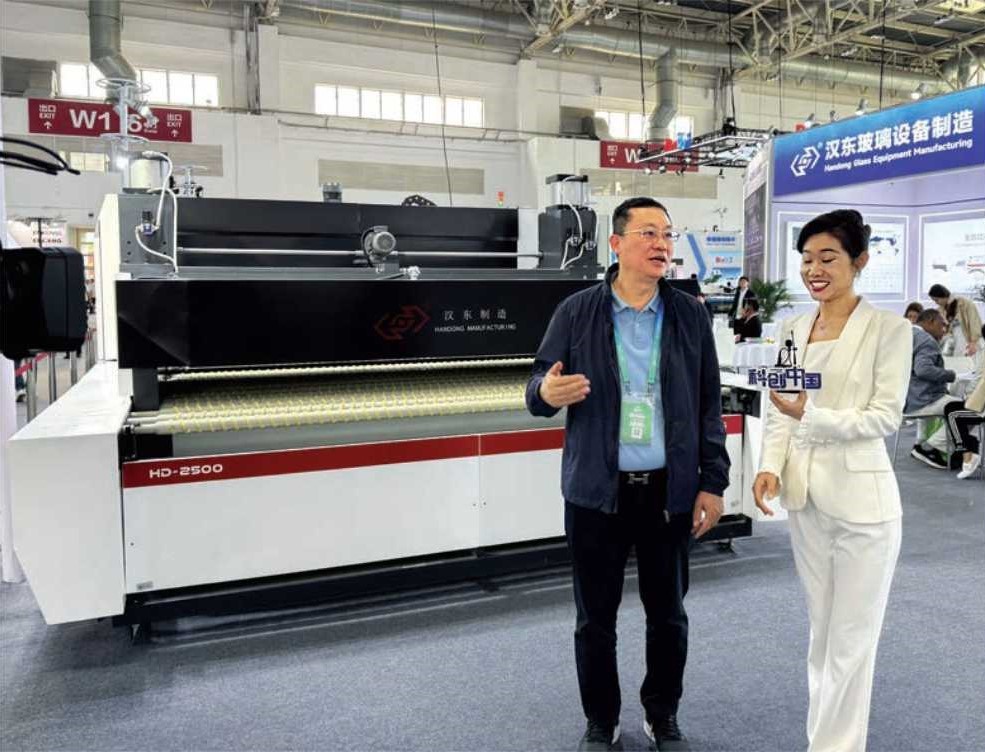
Q. India is a rapidly growing market for the glass industry. How important is India for Handong’s global strategy?
The Indian market has developed rapidly in recent years, particularly in demand for high-end glass deepprocessing equipment. Handong products have already entered several major glass processing enterprises in India.
The company sees medium- and large-scale Indian glass processors, particularly those focused on highquality glass deep-processing, as important future customers.
Q. What makes Handong a preferred choice among Indian glass processors?
Handong equipment is known for three core strengths: high production efficiency, energy saving, and operational stability.
The company adjusts its product portfolio according to customer requirements. For large glass manufacturing facilities, Handong provides fully automated turnkey solutions with comprehensive functionality. For smaller but qualityfocused customers, the company offers energy-saving and high-efficiency pre-pressing equipment while simplifying certain automation functions to improve affordability. This approach allows more Indian glass processors to adopt Handong equipment.
Q. How is Handong strengthening its presence and after-sales service network in India?
The company plans to increase customer visits and develop a stronger local after-sales service team in India.
Q. What key trends do you foresee in the global glass processing industry over the next 5–10 years?
According to Zou Luohui, the global glass deep-processing industry, especially the architectural glass sector, is expected to maintain steady long term growth, although growth rates may vary across countries and regions. Handong will continue focusing on the mid- to high-end market and invest further in countries with strong growth potential.
Q. How does Handong ensure strong after-sales support and technical service, especially in international markets like India?
Handong already works with longterm business partners in India who manage installation and aftersales support. Going forward, the company will provide them with comprehensive technical training and spare-parts support.
Q. How will automation and smart manufacturing shape the future of lamination lines and autoclaves?
Automation and intelligent manufacturing will help glass processors reduce manpower requirements and improve overall factory efficiency. This trend will create both significant challenges and new opportunities for equipment manufacturers.
Handong plans to continue investing in technological R&D and upgrades for laminated glass production lines and autoclaves, with particular focus on energy saving, automation, and high efficiency.
Q. What are Handong’s expansion plans, particularly in emerging markets like India?
Handong considers India an important strategic market and plans to invest additional resources in the country. The company intends to strengthen communication through regular customer visits, participation in exhibitions, and factory visits for Indian customers.
Q. What message would you like to share with the Indian glass industry and your valued customers?
It is our great honour to walk hand in hand with you for win-win development. The Indian glass market is booming with enormous potential and promising prospects.
Adhering to the philosophy of technological innovation, quality priority and mutual value creation, Handong has long been dedicated to glass deep processing equipment, keeping our core advantages of high efficiency, energy saving, intelligence and stable performance.
In the future, Handong will further root in the Indian market, increase investment and deepen local layout, as well as improve local after-sales service and spare parts support. We will empower local enterprises to reduce costs, improve efficiency and achieve transformation and upgrading with higher-quality equipment and professional technical services.
We hope we can stand side by side, enhance mutual trust and longterm strategic cooperation, share the dividends of industry development, and jointly create a brighter future for India’s glass industry.
Email: [email protected]
Email: [email protected]
Website: www.szhdglass.com